

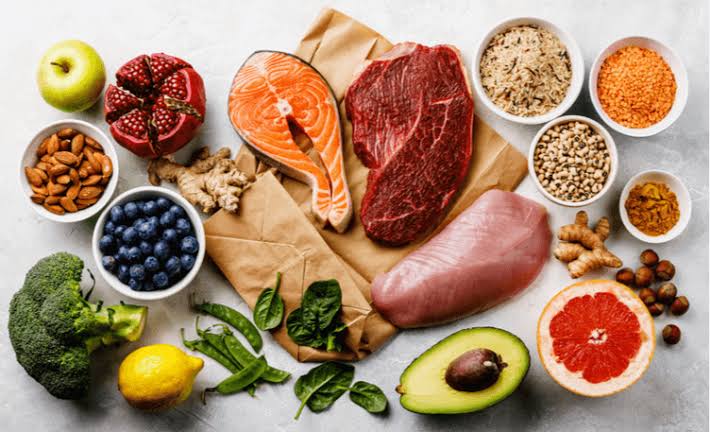
Nutrition becomes a bigger conversation than usual once cancer treatment begins. Between managing side effects, maintaining strength, and supporting your body’s recovery, diet during cancer treatment plays a genuinely important role, and knowing what to limit or avoid is just as useful as knowing what to eat more of.
Here is a practical look at foods worth avoiding during treatment, and the reasoning behind each one.
Why Diet Matters More During Cancer Treatment
Cancer treatments like chemotherapy and radiation can affect digestion, appetite, and immune function, all of which make your body more sensitive to certain foods than it normally would be. Some foods can worsen treatment side effects, interfere with medication absorption, or increase infection risk when your immune system is already under strain from treatment.
This is why dietary guidance during cancer treatment tends to be more specific and individualized than general healthy eating advice.
Foods Generally Worth Avoiding During Treatment
Raw or Undercooked Foods
Chemotherapy and certain other treatments can significantly weaken the immune system, increasing the risk of foodborne illness from raw or undercooked meat, seafood, and eggs. Thoroughly cooked foods are generally the safer choice during active treatment.
Unpasteurized Dairy and Juices
Unpasteurized products carry a higher risk of harmful bacteria, which becomes a more serious concern when your immune defenses are compromised by treatment. Sticking to pasteurized options is a simple but important precaution.
Highly Processed and Sugary Foods
While an occasional treat is not the end of the world, diets heavy in processed and sugary foods can contribute to inflammation and may not provide the nutrient density your body needs while recovering from treatment side effects.
Alcohol
Alcohol can interact with certain cancer medications and may worsen side effects like nausea, fatigue, or liver strain. Many oncology teams recommend limiting or avoiding alcohol entirely during active treatment.
Grapefruit and Certain Citrus
Grapefruit specifically is known to interfere with how the body metabolizes certain medications, including some cancer treatments. It is worth checking directly with your care team about whether this applies to your specific treatment plan.
Excess Salt and High-Sodium Processed Foods
For patients managing fluid retention or blood pressure changes related to treatment, reducing high-sodium processed foods can help manage these side effects more comfortably.
What to Focus on Instead
Rather than approaching this purely as a list of restrictions, it helps to focus on what supports your body during this period. Well-cooked, nutrient-dense meals, adequate protein to support tissue repair, and easily digestible foods when appetite or digestion is affected by treatment all play a meaningful role in how well you tolerate the treatment process.
Understanding Anti Cancer Food Choices
There is growing interest in anti cancer food choices, referring to foods believed to support the body’s natural defenses and reduce inflammation, such as certain vegetables, whole grains, and specific plant compounds. While no single food prevents or cures cancer, building a diet around these nutrient-dense options alongside your medical treatment can support overall wellbeing during the recovery process.
Why Individualized Guidance Matters
Every patient’s treatment plan, side effect profile, and nutritional needs are different, which means generic dietary advice only goes so far. Working with a team that understands both the medical and nutritional side of cancer care allows for guidance tailored to your specific treatment and how your body is responding to it.
How Dr. Tarang Krishna Supports Nutritional Guidance During Treatment
As part of a broader Cancer Healer Therapy approach, Dr. Tarang Krishna provides nutritional guidance designed to work alongside a patient’s ongoing medical treatment, helping manage side effects and support overall strength throughout the cancer journey. This guidance is meant to complement, not replace, direction from your treating oncologist.
Getting Started
Navigating diet during cancer treatment does not need to feel overwhelming. Focusing on food safety, limiting a few specific categories, and getting personalized guidance based on your treatment plan can make a real difference in how you feel throughout the process.
Frequently Asked Questions
Why should I avoid raw foods during chemotherapy?
Chemotherapy weakens the immune system, increasing the risk of foodborne illness from raw or undercooked foods. Thoroughly cooked meals are generally recommended during active treatment.
Is it safe to drink alcohol during cancer treatment?
Most oncology teams recommend limiting or avoiding alcohol, since it can interact with medications and worsen certain treatment side effects.
Can grapefruit really affect my cancer medication?
Yes, grapefruit is known to interfere with how certain medications are metabolized. Check with your care team about whether this applies to your specific treatment.
Do I need to avoid all sugar during treatment?
Complete avoidance is not usually necessary, but reducing highly processed and sugary foods in favor of more nutrient-dense options generally supports better overall recovery.
What should I eat if I have low appetite during treatment?
Small, frequent, nutrient-dense meals that are easy to digest are often recommended over large meals when appetite is affected by treatment.
Should I follow dietary advice from a nutritionist or my oncologist first?
Both are important, but any dietary guidance should be coordinated with your oncologist, especially regarding interactions with your specific treatment plan.
