

The convenience of checking certain health measurements without leaving home has made home based health screening increasingly appealing. It can save time and make routine monitoring easier. However, convenience should not be confused with complete medical assessment.
Home based health testing can be safe when an appropriate regulated test is used correctly. It should also be understood as one part of preventive care rather than a replacement for professional evaluation. Its usefulness depends on the test, how it is performed, and what happens after the result.
What Can Be Checked at Home?
Some health measurements are well suited to home use. Depending on the device or test, people may be able to monitor blood pressure, blood glucose, cholesterol, or certain infections. Home-use tests can provide useful information when used according to the manufacturer’s instructions.
However, a screening result does not automatically establish a diagnosis. A screening test is generally an initial assessment that may indicate whether further evaluation is needed. An unexpected result may therefore need confirmation through additional testing or discussion with a healthcare professional.
When Is Home Screening Safe?
Home based medical screening is generally safer when the test is designed and authorised for consumer use and the person follows its instructions carefully. The U.S. Food and Drug Administration advises consumers to check the test’s intended purpose, storage requirements, expiration date, sample requirements, timing, and interpretation instructions.
Following these details matters because mistakes in collecting a sample, storing a test, using the wrong amount of material, or reading a result at the wrong time can affect accuracy. Even an appropriate test can produce a false positive or false negative result.
Why Test Quality Matters
Not every test sold online or through informal channels has the same level of evidence or regulatory oversight. Choose tests authorised or approved by the relevant health authority for that use.
It is also important to avoid expired, damaged, improperly stored, or previously used testing materials. The FDA has warned that unauthorised or previously owned test strips can create risks including inaccurate results and potential contamination.
Checking the manufacturer’s information and regulatory status can therefore be as important as comparing prices.
What About Home Collection Services?
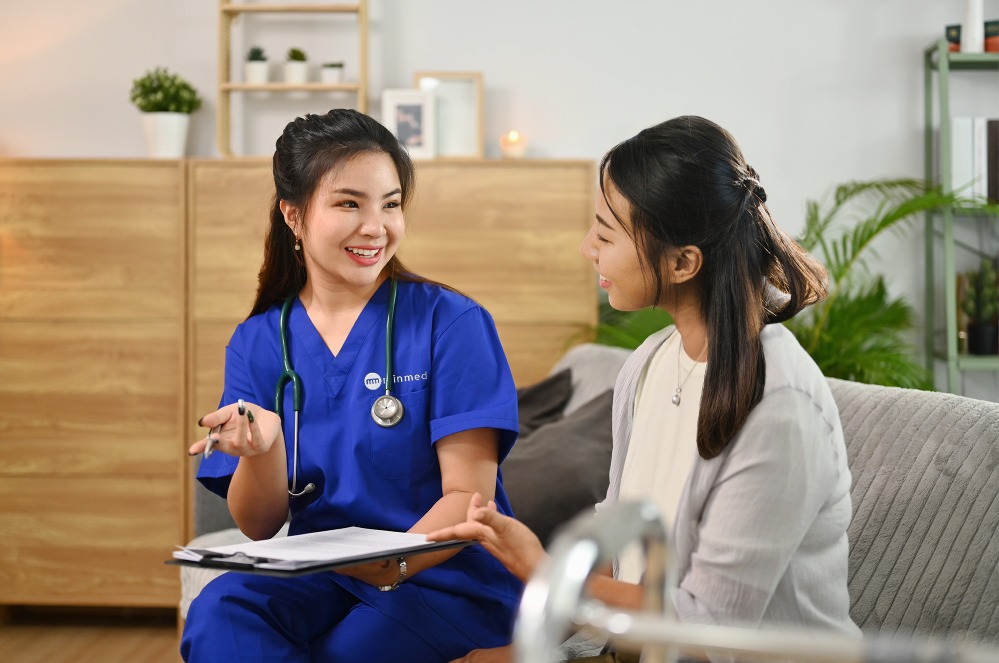
There is a difference between performing a test yourself and having a professional collect a sample at home. Home collection services may involve a trained healthcare worker visiting the patient to obtain blood, urine, or another specimen, which is then processed by a laboratory.
This arrangement can reduce the burden of travelling to a clinic while retaining professional sample collection. Its value still depends on the laboratory, tests selected, and clinical interpretation.
When Should You See a Doctor?
Home screening should not be used to dismiss symptoms or delay medical attention. If you have persistent symptoms, receive an unexpected result, or are concerned about a possible condition, discuss the situation with a healthcare professional.
This is particularly important when a result could influence treatment or major lifestyle changes. The FDA advises consumers not to change medications or dosages based solely on a home-use test result without speaking with a doctor.
A healthcare professional can consider the result alongside symptoms, medical history, examination, and other investigations.
How to Make Home Screening Safer
Before starting home based health screening, choose a test intended for your specific purpose. Read the instructions completely and check the expiration date before use. Store the test as directed and follow sample collection and timing requirements precisely.
Record your results and dates so you can identify patterns over time. If a result seems unusual, do not immediately assume that it confirms a disease. Repeat testing only when the instructions recommend it, and seek professional advice when appropriate.
A Practical Part of Preventive Care
Home based health screening can be a useful addition to preventive healthcare when it is used appropriately. Its greatest advantage is accessibility, but its limitations should remain clear.
The safest approach is to treat screening as a tool for gathering health information, not as a substitute for medical care. Choosing reliable tests, following instructions, understanding limitations, and seeking professional follow-up when needed can help make home testing a practical part of responsible health monitoring.
